Home / Services / Vocational rehabilitation

Part of our community rehabilitation

Vocational rehabilitation

Vocational rehabilitation is the work-capacity part of CTC's community rehabilitation, available across BC and Alberta. When work is a realistic goal, we help people return to, stay in or move into sustainable employment after injury or illness, combining functional assessment with practical job matching and coaching.

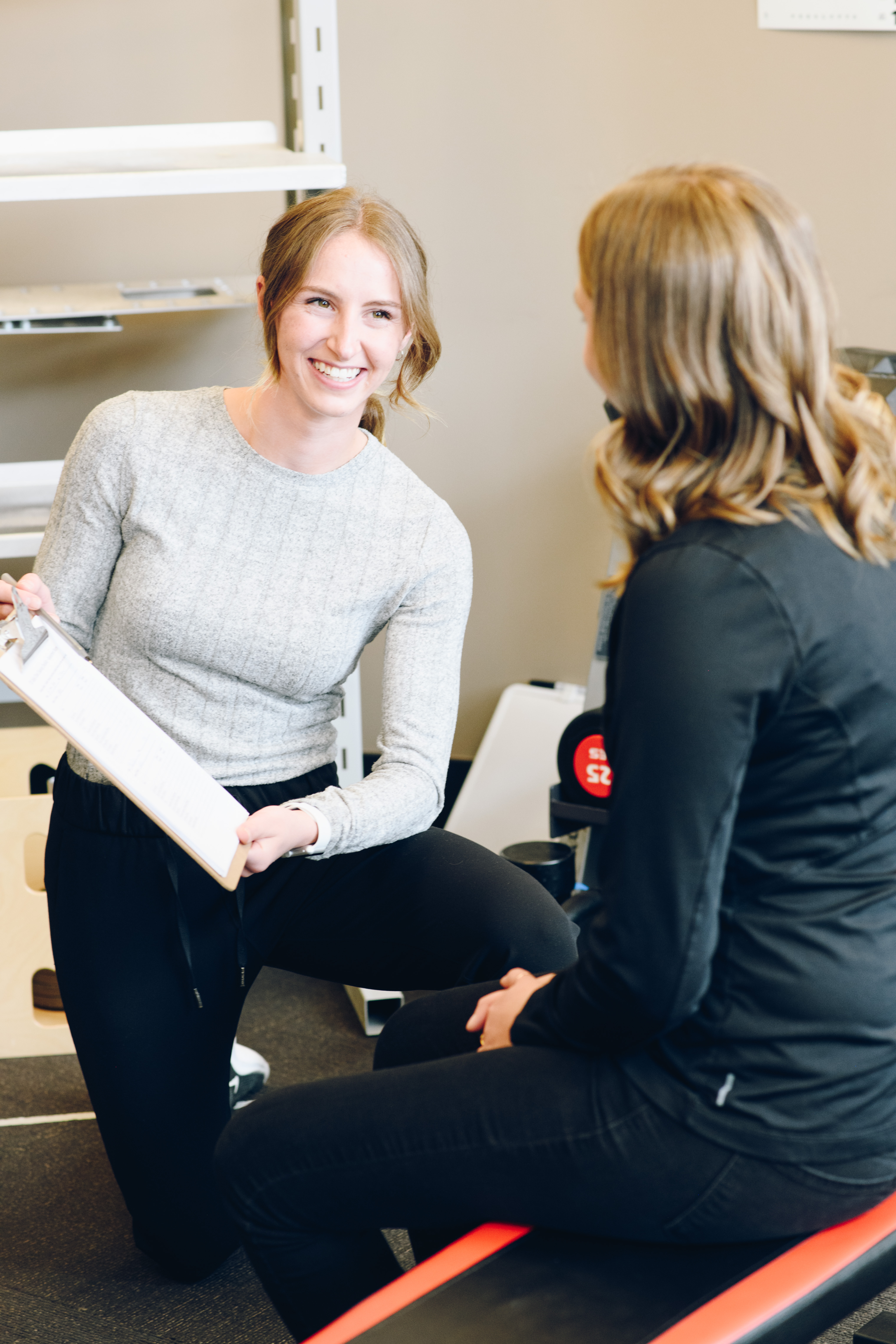
CTC clinician going over results with a client on a clipboard

Vocational rehabilitation at a glance

Who qualifies?

People recovering from an injury or illness for whom work is a realistic goal. That includes returning to their own job, staying in work with changes, or moving into a different role if they cannot go back to the old one. Services are available across BC and Alberta.

What is covered?

Vocational rehabilitation is funded by WorkSafeBC, ICBC, Veterans Affairs Canada, long-term disability insurers and employers. The funder approves the services, so the client should confirm coverage with their case manager, adjuster or benefits provider. See fees and funding for more.

How referrals work

Send a referral by email to referrals@creativetherapyconsultants.ca, call 1-888-880-3222, or use our online referral form. We contact the client within 1 business day. The client gets their consultant's direct phone number and email.

What to expect

We start with a vocational assessment of education, experience, interests and functional abilities to set realistic goals. Depending on the file, that leads to a transferable skills analysis, labour market research, work trials, job coaching or a graduated return-to-work plan. The same file can draw on occupational therapy, kinesiology, counselling or an FCE, and we keep the employer and referrer updated.

What's included

From assessment and goal setting through to placement and follow-up.

Vocational assessments and goal setting

Education and experience review, interest profiling and functional analysis to shape realistic goals.

Work capacity and functional profiling

Physical, cognitive and psychosocial capacities relative to job demands, drawing on OT and, where relevant, FCEs.

Transferable skills analysis (TSA)

Suitable alternative roles, credential pathways and upskilling options.

Labour market research (LMR)

Local role availability, wage ranges and entry requirements.

Work trials and job coaching

Graded exposure with on-the-job coaching to confirm fit and build tolerance.

Work conditioning and hardening

Targeted strength and endurance programs aligned to job tasks.

Graduated return-to-work (GRTW) plans

Duty and hour progressions with clear criteria and regular check-ins.

Ergonomic review and accommodations

Tool, workflow and environment changes to reduce risk.

Employer and insurer liaison

Clear communication with the employer and the referrer to keep the plan on track.

Job search and placement

Resume targeting, interview preparation, disclosure coaching and links to training.

Who refers

WorkSafeBC, ICBC, Veterans Affairs Canada, long-term disability insurers and employers refer clients for vocational rehabilitation.

Because vocational rehab sits inside our community rehabilitation team, the same file can draw on occupational therapy, kinesiology for work conditioning, counselling and, where needed, a functional capacity evaluation.

A graduated return to work in practice

Real work from our files, with names removed.

Case study

Return to work for a family doctor after a car crash

The situation

A family physician hurt in a motor vehicle crash had leg and mobility limits. A clinic day means hours on your feet, long hallways and the odd emergency.

What we did

Our occupational therapist visited the clinic, measured distances, stairs and exam tables, and compared the busiest day with what the doctor could do. We provided adaptive equipment and taught pacing and energy conservation.

The result

A graduated return-to-work plan built around the real clinic, with hours stepped up as tolerance improved. The doctor returned to work successfully.

Common questions

What is vocational rehabilitation?

Vocational rehabilitation helps people return to, stay in or move into sustainable employment after injury or illness, when work is a realistic goal. It combines functional assessment with job matching, coaching and placement support.

What is a transferable skills analysis?

A transferable skills analysis (TSA) identifies suitable alternative roles, credential pathways and upskilling options for a client who may not return to their previous job.

Can vocational rehab draw on other disciplines?

Yes. Because vocational rehab sits inside our community rehabilitation team, the same file can draw on occupational therapy, kinesiology for work conditioning, counselling and, where needed, a functional capacity evaluation.

Which areas do you cover?

Vocational rehabilitation is available across BC and Alberta, from 12 CTC offices.

How do I refer a client for vocational rehabilitation?

Email referrals@creativetherapyconsultants.ca or call toll free 1-888-880-3222. We contact the client within 1 business day of receiving the referral.

How we work

The vocational team behind your referral

Who provides the service

Vocational rehabilitation consultants with CVRP and RRP designations, working alongside occupational therapists who assess capacity and build graduated return-to-work plans.

Reports and timelines

We contact the client within 1 business day of the referral. Assessment, progress and discharge reports are delivered within your funder's contracted timelines or the dates on your referral.

Complex and multidisciplinary files

A lead clinician coordinates the file and is your single contact. Clients seeing more than one of our clinicians are discussed at internal case conferences, senior occupational therapists and mentors consult on complex cases, and we join case conferences with adjusters, physicians and employers when asked.

Experience with similar files

Vocational and return-to-work work for WorkSafeBC, ICBC, long-term disability insurers and employers, including a multi-employer disability management program we have run since 2002.

See it in practice

Case studies from our clinicians, with identifying details changed.

From occupational anxiety to a new job

Mental health support and vocational rehabilitation on a long-term disability claim.

Read the case study

Ready to refer? It takes two minutes.