
Home / Funders / ICBC

ICBC

Rehabilitation after a crash, at home and in the community.

Community rehabilitation under ICBC Enhanced Accident Benefits for people injured in motor vehicle crashes, from our Vancouver office and 11 others across BC and Alberta. Occupational therapists, kinesiologists and counsellors help clients manage daily life, their home and their community again, and return to work where that is a goal. We bill ICBC directly and contact your client within 1 business day of the referral.

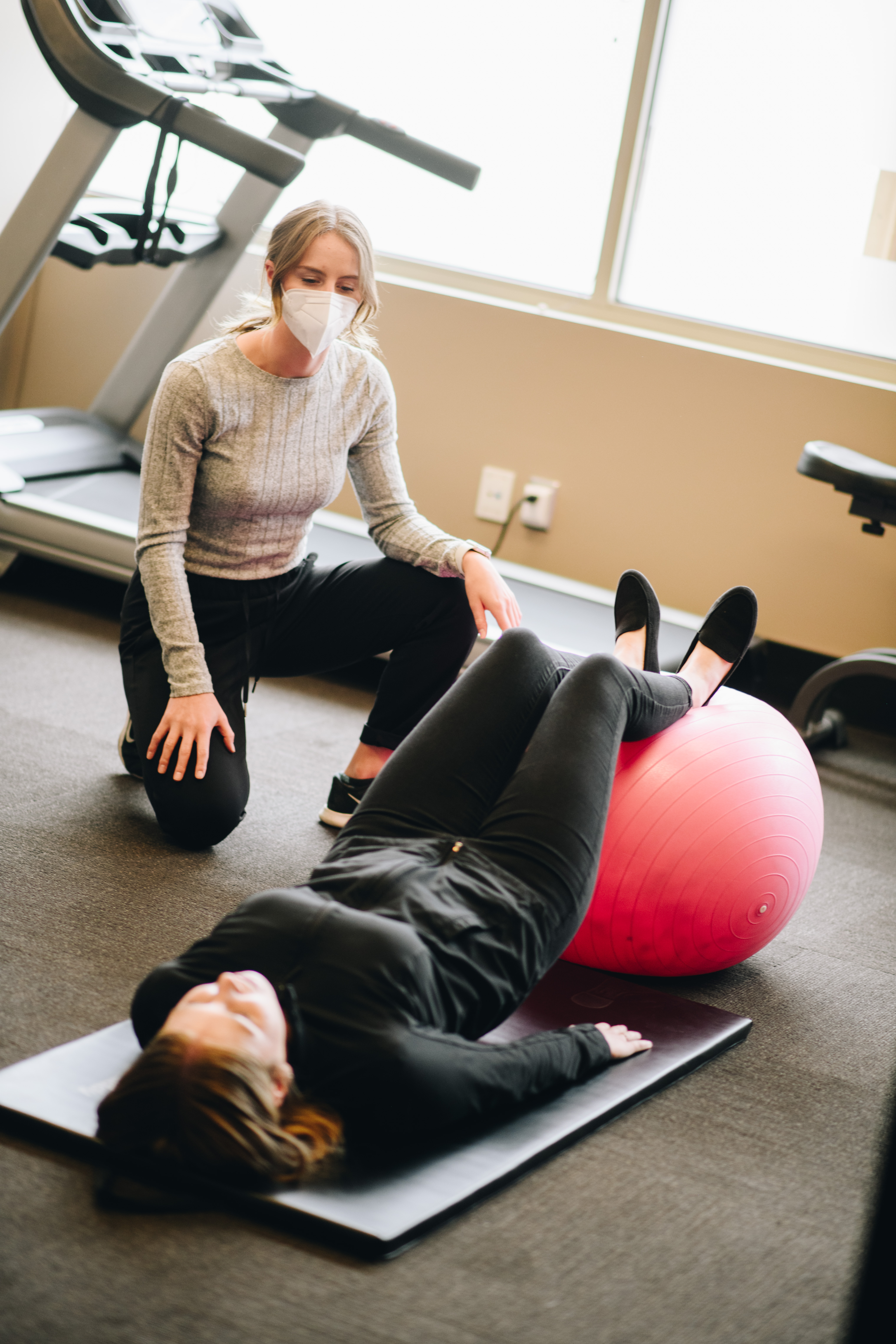
Client doing a guided floor exercise with a stability ball during rehab

Services

What we provide for ICBC

Occupational Therapy

Home and environmental assessments, hospital discharge planning, equipment and training, wheelchair and power mobility assessments, and concussion and cognitive rehabilitation.

Kinesiology

One-to-one programs for injury rehabilitation, strength and chronic pain, with regular progress checks and program changes.

Counselling and Mental Health

Registered clinical counsellors for anxiety, depression and trauma after a crash, including PTSD. CBT, EMDR and DBT, in person or secure online.

FCEs and Cost of Future Care

Physical and cognitive functional capacity evaluations and Cost of Future Care reports, from occupational therapists qualified as expert witnesses in BC Supreme Court.

Vocational Rehabilitation

Vocational assessment, transferable skills analysis, work trials and graduated return-to-work plans when work is one of the client's goals.

Group Programs

SHIFT, a virtual pain management group led by occupational therapists: pacing, goal-setting, flare-up planning and mindful movement.

Why referrers use us

A Vancouver office, and 11 moreOur Vancouver office is at 306-595 Howe Street. Occupational therapists Alisha M, Julia D and Jaci B see clients at home, in the community, at work and online across Vancouver and the Lower Mainland, and counsellor Claire D sees Lower Mainland clients online. Outside the city, our clinicians travel from the Kootenays to Haida Gwaii.
An experienced teamOccupational therapists trained in PGAP and concussion rehabilitation, registered clinical counsellors with motor vehicle trauma experience, and expert witnesses recognized by the BC Supreme Court.
Clear, decision-ready reportsFindings, recommendations and progress against goals, stated plainly, so the next decision on the file is easier to make.
Plans built on goalsEvery plan starts with goals agreed with the client. When the goals are met, we discharge.

ICBC rehabilitation, start to finish

Two typical referrals after a crash.

Example scenario

Driving again after a highway crash

The situation

After a crash on the Malahat, a commuter in Victoria stopped driving. He was taking two buses to work and skipping family trips.

What we did

He saw one of our registered clinical counsellors for CBT and EMDR, then worked back in steps: the parked car, the block, the commute, then the highway. We billed ICBC directly.

The result

Driving himself to work within three months, with no more sessions needed.

A typical referral, based on our everyday work. Not a real client.

Example scenario

Rebuilding strength after a rear-end collision

The situation

A 34-year-old in Kelowna had neck and shoulder pain after being rear-ended. She had stopped training and struggled to pick up her toddler.

What we did

Our kinesiologist tested her strength and range, then built a program at her own gym and at home around what she wanted back: carrying her son, the groceries, a full workday.

The result

Done in ten weeks, back at work full time and training on her own, with no further treatment needed.

A typical referral, based on our everyday work. Not a real client.

ICBC recovery timelines

For crashes on or after May 1, 2021, ICBC's Enhanced Care model supports recovery in stages. Here is what to expect and where occupational therapy fits in.

The first 12 weeks

ICBC pre-approves a set number of treatments in the first 12 weeks after a crash, including physiotherapy, kinesiology and counselling, with no referral needed. Book early, as the 12 weeks go by quickly.

When occupational therapy comes in

Occupational therapy can be funded when a health care provider recommends it. Your ICBC recovery specialist approves the first visit and then any treatment plan, for example for help at home, equipment, getting around or returning to work.

Staying in touch

ICBC suggests contacting your recovery specialist every 2 to 3 weeks, and right away if your recovery changes. Your OT also keeps the recovery specialist updated on progress and next steps.

After 12 weeks

Most injuries improve within 12 weeks. If you need more treatment, your providers explain what you still need and your recovery specialist can extend benefits. Complex claims may need an independent assessment, and ICBC has a dedicated team for severe injuries. Check with your recovery specialist about what applies to your claim, or see ICBC's guide to longer recoveries.

ICBC occupational therapy questions

How occupational therapy works under ICBC Enhanced Care, for crashes on or after May 1, 2021.

How does ICBC occupational therapy work?

Your ICBC recovery specialist manages your claim and approves treatment. If your doctor or another health care provider recommends occupational therapy, or your recovery specialist sees a need, they arrange the referral and approve an initial visit and treatment plan. Your occupational therapist then focuses on your recovery: how you are managing at home, getting around and at work, and what will help you get back to your usual routine. CTC bills ICBC directly.

Does ICBC pay for occupational therapy?

Yes, when your recovery specialist approves it. Occupational therapy is not one of the treatments pre-approved in the first 12 weeks after a crash, which are physiotherapy, chiropractic, massage therapy, kinesiology, counselling, psychology and acupuncture. Instead, it is arranged through your recovery specialist. Once it is approved there is no cost to you, and ICBC decides on funding for any equipment your occupational therapist recommends.

What happens at an OT assessment?

Most first assessments happen in your home. Your occupational therapist reviews your medical information, asks about your injuries and your normal day, and watches how you manage everyday tasks such as personal care, cooking, getting in and out of a vehicle and, if you work, the demands of your job. They may also check strength, movement, endurance and concentration. You then get practical recommendations, which can include treatment, equipment, changes at home, a plan for driving or transport, and a graduated return to work. The recommendations go to you and your recovery specialist.

ICBC sets its own rules. Confirm what is approved for your claim with your recovery specialist. More detail is on ICBC's page on treatment in the first 12 weeks.

Referring an ICBC client?

Email the referral or call our intake team. We contact your client within 1 business day.

Have you been referred to us? Read what to expect.

Ready to refer? It takes two minutes.