

Home / Services / Counselling

Part of our community rehabilitation

Counselling in Kelowna, Kamloops and online across BC

Our counsellors work with teens and adults dealing with anxiety, depression, trauma, grief and stress. We see clients in Kelowna, Kamloops, Penticton, Vernon and Williams Lake, and online anywhere in BC. You can book a private session, or come to us through ICBC, WorkSafeBC, Veterans Affairs Canada or a long-term disability insurer.

Client practising a calming mindfulness exercise with a CTC counsellor on a patio

Start here

How will your counselling be paid for?

Pick the option that fits. We will take it from there.

Injured in a car crash?ICBC pre-approves up to 12 counselling sessions in the first 12 weeks after a crash in BC, with no doctor's referral needed. We bill ICBC directly for eligible sessions.Get started with ICBC counselling
Looking for private counselling?Use your extended health benefits or pay privately. Sessions are $160 for 50 minutes, and you can start with a free consultation call.See private counselling options
Prefer to talk it through? Call 1-888-880-3222, Monday to Friday, 8:30 am to 4:30 pm.

Counselling at a glance

Who qualifies?

Teens, adults and older adults dealing with anxiety, depression, trauma, grief, stress or the emotional side of an injury or chronic pain. You can come to us privately or through a funder after a crash, a workplace injury or a disability claim. If you are not sure counselling fits, call and ask.

What is covered?

ICBC, WorkSafeBC, Veterans Affairs Canada, long-term disability insurers and employers fund counselling for the clients they refer. For ICBC clients, 12 counselling sessions are pre-approved in the first 12 weeks after a crash, and we bill ICBC directly. Private sessions are $160 for 50 minutes, and many extended health plans cover a Registered Clinical Counsellor, so check with your benefits provider or case manager. See fees and funding for more.

How referrals work

Send a referral by email to referrals@creativetherapyconsultants.ca, call 1-888-880-3222, or use our online referral form. We contact the client within 1 business day. Private clients can call the same number to book a free consultation call.

What to expect

Sessions are one to one, in person in Kelowna and Kamloops (with clients also seen in Penticton, Vernon and Williams Lake) or by secure video anywhere in BC. The first session covers what brought you in, what you want to change and how confidentiality works, and you agree on goals and an approach together. You get your counsellor's direct phone number and email.

What our counsellors help with

Individual counselling for teens, adults and older adults. If you are not sure whether counselling fits what you are going through, call and ask.

AnxietyWorry, panic attacks, avoidance and all-or-nothing thinking that get in the way of daily life.
DepressionLow mood, loss of interest and pulling away from people, worked on with talk therapy and practical tools such as behavioural activation.
Trauma and PTSDSupport after a car crash, a workplace injury, family violence or another traumatic event, whether recent or long past.
Grief and lossCoping with a death, the end of a relationship, or the loss of the life you had before an injury.
Stress and burnoutWhen work, caregiving or other pressures have left you exhausted and short on patience and sleep.
Life transitionsAdjusting to big changes, such as a move, a new role, a separation or retirement.
Workplace issuesConflict at work, difficult emotions on the job, and the stress of going back after time away.
RelationshipsCommunication, conflict, boundaries and family stress.
Injury and chronic painThe emotional side of living with an injury or ongoing pain, including frustration, fear and changes to how you see yourself.

How we work: CBT, EMDR, DBT and more

Your counsellor chooses the approach with you and often combines more than one.

Cognitive behavioural therapy (CBT)

Looks at the thought patterns and habits that keep distress going and helps you replace them with more useful ones.

EMDR (Eye Movement Desensitization and Reprocessing)

A structured therapy for trauma that uses bilateral stimulation, such as eye movements or taps, so painful memories carry less emotional charge.

Dialectical behaviour therapy (DBT)

Teaches skills for managing intense emotions, getting through distress and handling relationships.

Acceptance and commitment therapy (ACT)

Helps you make room for difficult thoughts and feelings while taking steps toward what matters to you.

Solution-focused therapy

Concentrates on your goals and on what is already working, then builds practical next steps.

Trauma-informed and client-led

You set the pace and have a say at every step. Safety comes first, and nothing is pushed before you are ready.

Burnout recovery

Burnout is exhaustion that builds from long-term stress, most often at work. It can show up as constant fatigue, feeling detached or cynical about your job, and feeling less able to do it well.

Signs to watch for

Tiredness that rest doesn't fix, dreading work, irritability, poor sleep, trouble focusing, and pulling away from people.

How counselling helps

A counsellor helps you understand what is driving it, set boundaries, manage stress and rebuild your energy, using approaches such as CBT.

Time off and going back

If you are off work, an occupational therapist can plan a graduated return so you don't go straight back into the same pressure. See return-to-work planning.

Getting started

Book a free consultation, or check whether your extended health plan covers counselling with a registered clinical counsellor.

Meet our counsellors

Each of our counsellors holds a master's degree in counselling or a related field. Read their profiles to find someone who fits.

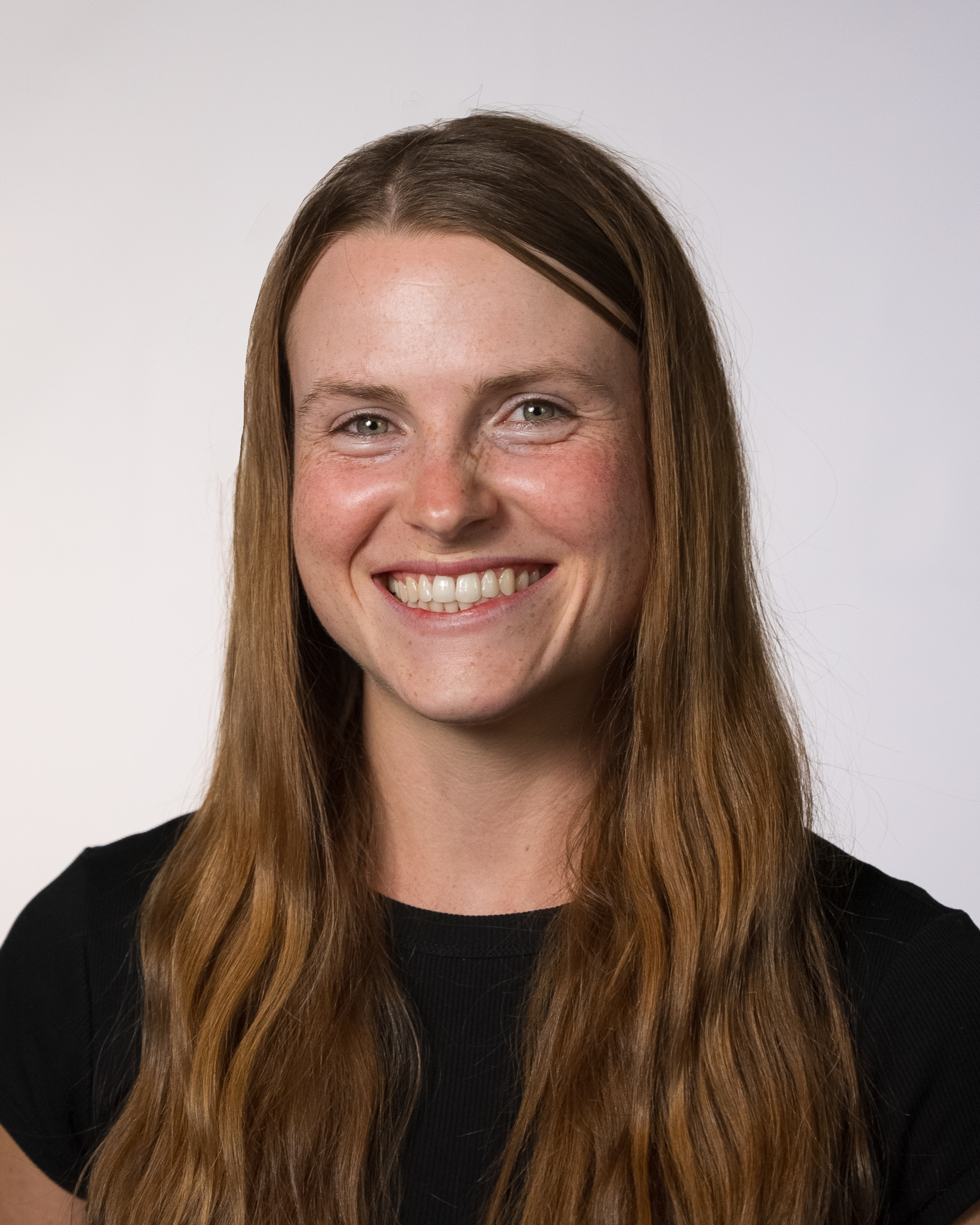
Claire D, Registered Clinical Counsellor

Claire D

BSc KIN, MA, RCC. Kelowna, Penticton, Vernon and online across BC

Teens and adults. Anxiety, emotional regulation, stress and body image, using CBT and solution-focused therapy.

Read Claire's profile
Praveen P, Registered Clinical Counsellor

Praveen P

MA, RCC. Kelowna and online

Adults 18 and over. Anxiety, depression, trauma and relationships, using CBT, EMDR and cognitive processing therapy. Particular interest in multicultural counselling.

Read Praveen's profile
Rory F, Registered Clinical Counsellor

Rory F

BSW, MC, RCC. Kamloops, Williams Lake and online across BC

Adults 19 and over. Acute and complex trauma, car crash trauma, grief and family violence. EMDRIA-trained in EMDR, also trained in DBT and CBT.

Read Rory's profile
Nicole B, Registered Clinical Counsellor

Nicole B

MC, RCC. Kamloops and area

Support after loss, injury or trauma, helping clients find their own strengths and their own way forward.

Read Nicole's profile
Lindsay B, counsellor and vocational rehabilitation consultant

Lindsay B

M.Ed., RCC, CCC, CVRP. Kamloops and area

Counselling and vocational rehabilitation, with an encouraging style and a strong interest in health and wellness.

Read Lindsay's profile
Erin B, Registered Clinical Psychologist

Dr. Erin B

PhD, R.Psych. Northern BC and online

Registered Clinical Psychologist specializing in rehabilitation and health. Anxiety, mood disorders, trauma, stroke and brain injury, and chronic pain.

Read Erin's profile
Not sure which counsellor is right for you? Tell us a little about what you are looking for and we will match you with someone who fits. Help me choose a counsellor

ICBC clients

Counselling after a car crash

A crash can affect more than your body. Anxiety, poor sleep, intrusive memories, fear of driving, low mood and trouble getting back to normal life are all good reasons to talk to someone.

Up to 12 sessions in the first 12 weeks

If you were injured in a crash in BC, ICBC pre-approves up to 12 counselling sessions in the first 12 weeks after the crash, including your first assessment visit. You don't need a doctor's referral or ICBC approval to start. You need your ICBC claim number and your Personal Health Number.

No upfront payment for eligible sessions

We bill ICBC directly for eligible sessions with our ICBC-approved counsellors, so you don't pay up front for those sessions.

After 12 weeks

If you need more counselling, your counsellor sends ICBC a treatment plan and your recovery specialist decides on further sessions. Further sessions are not automatic and need ICBC approval.

In person or online

In person in Kelowna and Kamloops, with clients also seen in Penticton, Vernon and Williams Lake, or by secure video anywhere in BC where it suits your needs.

Part of your wider recovery

Our counsellors work in the same team as our occupational therapists and kinesiologists, so emotional recovery, getting back to daily life and getting back to work are planned together.

Do I need a doctor's referral?

No. In the first 12 weeks after a crash you can start counselling without a referral. Contact us with your ICBC claim number and we will help you get started.

Do I pay up front?

Not for eligible sessions. We bill ICBC directly for pre-approved sessions with our ICBC-approved counsellors.

What if it has been more than 12 weeks since my crash?

You can still get counselling. Further sessions need approval from your ICBC recovery specialist, usually based on a treatment plan from your counsellor.

Can I have counselling online?

Yes, by secure video anywhere in BC, where online sessions suit your needs.

Can I choose my counsellor?

Yes. Tell us what you are looking for and we will match you with an available counsellor who fits, or you can ask for someone by name.

I am already in physio or rehab. Can I still see a counsellor?

Yes. Counselling sits alongside physical rehabilitation and often helps it, by working on the fear, stress and low mood that can hold recovery back.

Private clients

Counselling with your extended health benefits, or private pay

Many workplace benefit plans cover some or all of the cost of counselling.

Our private rate$160 for a 50-minute individual session with a registered clinical counsellor. Your first step is a free consultation call, with no obligation to book.
Direct billingWe can bill many extended health insurers directly, depending on your insurer and plan. If we can't, you get a receipt to submit for reimbursement.

Before you book, check your plan

Ask your benefits provider whether your plan covers a registered clinical counsellor (RCC) or a psychologist, how much it pays per session and how much you have left this year. Then tell us who your insurer is and we will let you know whether we can bill them directly.

RCC and psychologist coverage are different

Some plans cover registered clinical counsellors, some cover psychologists, and some cover both. Our team includes registered clinical counsellors and a registered clinical psychologist, so we can usually offer an option your plan covers. Ask us for psychologist rates.

Referred by another funder?

If WorkSafeBC, Veterans Affairs Canada, a long-term disability insurer or your employer referred you, your counselling is funded through that referral.

Your first counselling session

The first session is about getting to know you: what brought you in, what you would like to change, and what has or hasn't helped before. Your counsellor explains how confidentiality works, and together you agree on goals and an approach.

You don't need to prepare anything, and you only share what you are ready to share. You also get your counsellor's direct phone number and email.

"Counselling is about creating a safe space where clients feel both supported and challenged. By tailoring each session to their unique needs, I help clients discover practical strategies that make a real difference in their lives."

Claire D, BSc KIN, MA, RCC, Registered Clinical Counsellor

Counselling after a collision, start to finish

A typical referral to one of our counsellors.

Example scenario

Driving again after a highway crash

The situation

After a crash on the Malahat, a commuter in Victoria stopped driving. He was taking two buses to work and skipping family trips.

What we did

He saw one of our registered clinical counsellors for CBT and EMDR, then worked back in steps: the parked car, the block, the commute, then the highway. We billed ICBC directly.

The result

Driving himself to work within three months, with no more sessions needed.

A typical referral, based on our everyday work. Not a real client.

Counselling questions, answered

What is EMDR?

EMDR stands for Eye Movement Desensitization and Reprocessing. It is a structured therapy for trauma. While you briefly bring a distressing memory to mind, your counsellor guides you through bilateral stimulation, such as side-to-side eye movements, taps or tones. Over a series of sessions the memory usually becomes less vivid and less upsetting, and the beliefs attached to it, such as "I am not safe", lose their grip. You do not have to describe every detail of what happened. The World Health Organization recommends EMDR for post-traumatic stress disorder.

CBT or EMDR: which is better?

Both are well-supported treatments for trauma and anxiety, and they work differently. Cognitive behavioural therapy (CBT) looks at the links between thoughts, feelings and behaviour, and builds practical skills you practise between sessions. EMDR works directly on specific distressing memories and involves less talking through the details. CBT often suits anxiety, low mood and stress, while EMDR is often chosen when one or more traumatic events are driving the symptoms. Many people use both. Your counsellor will talk through the options with you at the start.

Do you offer counselling for workplace trauma?

Yes. Our counsellors work with people after workplace injuries, critical incidents, violence or threats at work, and the cumulative stress that first responders and health care workers carry. Counselling can focus on sleep, anxiety, flashbacks and confidence about going back to work, and we coordinate with your return-to-work plan when there is one. If you have an accepted WorkSafeBC claim, your case manager can approve counselling. Employee assistance programs and extended health plans may also cover it.

Do you offer online counselling?

Yes. We offer secure video sessions to clients anywhere in BC, as well as in-person sessions in Kelowna and Kamloops.

Do you offer a free consultation?

Yes. Book online through Jane or call 1-888-880-3222 to book a free consultation and find the right counsellor for you.

Is counselling covered by my extended health benefits?

Many extended health plans cover counselling by a Registered Clinical Counsellor, but coverage varies by plan. Check how much your plan covers each year. Private sessions are $160 for 50 minutes.

Do you direct bill my insurance?

Yes, we can bill many extended health plans directly. Call 1-888-880-3222 to ask whether we bill your insurer directly. Your insurer decides what your plan covers.

How quickly can I start?

Referred clients hear from us within 1 business day of the referral. For private sessions, call 1-888-880-3222 and we will tell you who has availability in Kelowna, Kamloops or online.

What is the difference between a counsellor and a psychologist?

Both provide therapy, but their training and registration differ. A Registered Clinical Counsellor (RCC) holds a master's degree in counselling or a related field, has completed supervised clinical practice and is registered with the BC Association of Clinical Counsellors (BCACC). Psychologists are registered with a separate regulatory body.

Is counselling confidential?

Yes. What you discuss stays private, with a few legal exceptions, such as a serious risk of harm to you or someone else. If a funder referred you, your counsellor will explain at the start what is shared with them.

Can ICBC pay for counselling after a car crash?

Yes. ICBC funds counselling for people dealing with psychological distress after a motor vehicle crash in BC, and we can bill ICBC directly. Report the crash to ICBC, then call us to get started.

Where are your counsellors located?

Our counsellors are based in Kelowna and Kamloops, also see clients in Penticton, Vernon and Williams Lake, and offer online sessions anywhere in BC.

If you are in crisis or thinking about suicide, call or text 9-8-8 any time, or call 911 in an emergency. Counselling is not an emergency service.

How we work

The counselling team behind your referral

Who provides the service

Clinical counsellors (RCC or CCC) with master's degrees, and a registered clinical psychologist with a doctorate.

Depth of training

Our counsellors are trained in EMDR, Cognitive Processing Therapy, Prolonged Exposure therapy, DBT, ACT and CBT, including work with motor vehicle and workplace trauma.

Reports and timelines

We contact the client within 1 business day of the referral. Assessment, progress and discharge reports are delivered within your funder's contracted timelines or the dates on your referral.

Complex and multidisciplinary files

A lead clinician coordinates the file and is your single contact. Clients seeing more than one of our clinicians are discussed at internal case conferences, senior occupational therapists and mentors consult on complex cases, and we join case conferences with adjusters, physicians and employers when asked.

See it in practice

Case studies from our clinicians, with identifying details changed.

Nurse returns to work after a workplace assault

Counselling for PTSD alongside a graduated return-to-work plan with WorkSafeBC.

Read the case study

From occupational anxiety to a new job

Mental health support and vocational rehabilitation on a long-term disability claim.

Read the case study

Ready to refer? It takes two minutes.