
Home / Funders / WorkSafeBC

WorkSafeBC

Rehabilitation for injured workers, close to where they live.

Community rehabilitation for WorkSafeBC clients across BC. Our occupational therapists, kinesiologists, counsellors and vocational rehabilitation consultants work with clients at home, in the community, at the worksite or online. The aim is function and independence in daily life and, where possible, at work.

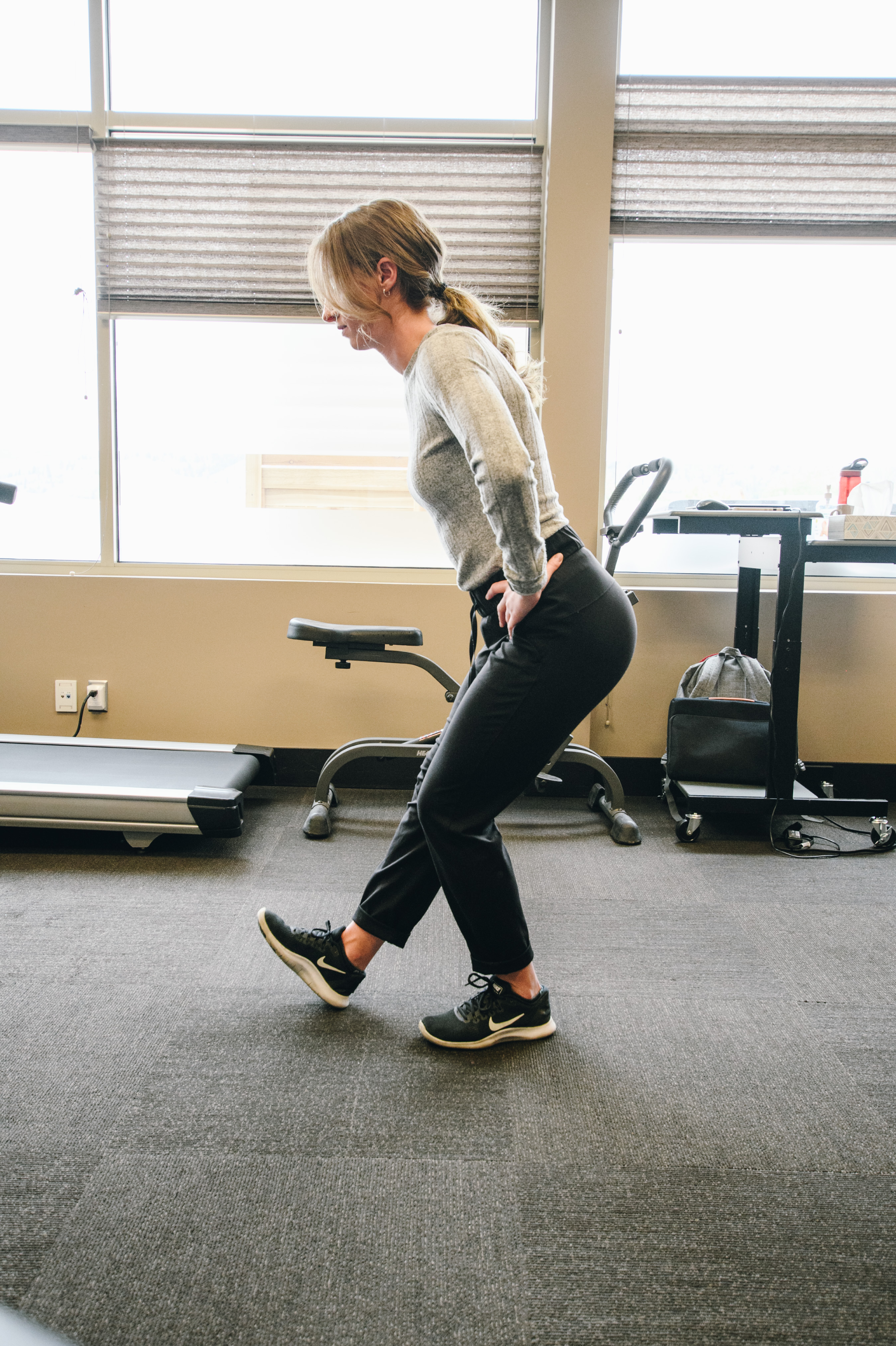
Client practising a lunge with a clinician as part of work conditioning

Services

What we provide for WorkSafeBC

Occupational therapy

Home and community assessments, equipment, concussion and cognitive rehabilitation, and activation and exposure-based programs.

Occupational Skills and Support (OSS)

We deliver WorkSafeBC's Occupational Skills and Support group program.

Kinesiology

One-to-one functional movement, strength and conditioning programs, progressed to the client's tolerance and goals.

Counselling and mental health

Trauma-informed counselling with registered clinical counsellors, using CBT, EMDR and DBT. In person or secure online.

Functional capacity evaluations

Physical and cognitive FCEs and physical demands analyses. An FCE typically takes 4 to 7 hours.

Vocational rehabilitation

Vocational assessment, transferable skills analysis, labour market research, work trials and graduated return-to-work plans when work is one of the client's goals.

Worksite assessments

Job demands analyses and ergonomic and workstation assessments, onsite or virtual.

Why referrers use us

Local clinicians, rural reach12 offices across BC and Alberta. Our clinicians also travel to smaller communities, from the Kootenays to Haida Gwaii and the Peace River District.
An experienced teamOccupational therapists trained in the Progressive Goal Attainment Program (PGAP), registered clinical counsellors, kinesiologists, and vocational consultants with CVRP and RRP designations.
Clear, decision-ready reportsFindings, recommendations and progress against goals, stated plainly, so the next decision on the file is easier to make.
Plans built on goalsEvery plan starts with goals agreed with the client. When the goals are met, we discharge.

A WorkSafeBC return to work, start to finish

A typical claim, from referral to full duties.

Example scenario

Back to work after a lifting injury

The situation

A warehouse worker in Prince George hurt his back lifting. Six weeks in, he was still off and doing less around the house each week.

What we did

Our OT agreed light duties with his supervisor. A kinesiologist ran his reconditioning at a gym near home, building to the lifts his job needs. Both updated the case manager on one schedule.

The result

Back on modified duties in week eight and full duties a month later. The claim closed well inside the time it was expected to run.

A typical referral, based on our everyday work. Not a real client.

WorkSafeBC questions

Return to work and occupational therapy after a workplace injury in BC.

How does return to work work after a workplace injury?

Return to work is a shared plan between you, your employer, your WorkSafeBC case manager and your health care providers. An occupational therapist looks at what your job actually demands, what you can safely do now, and the gap between the two. The usual result is a graduated plan: modified duties or hours to start, building back to your full job as you recover, with changes at the workstation or job site where they help. Since January 1, 2024, BC employers have a legal duty to cooperate with return to work, and employers with 20 or more workers have a duty to maintain employment for workers employed with them for at least 12 months.

What WorkSafeBC occupational therapy services does CTC provide?

Once your case manager refers you, a CTC occupational therapist can assess you at home and at work, look at the physical and mental demands of your job, recommend equipment or changes at home, and build and support a graduated return-to-work plan. We also complete functional capacity evaluations and work alongside kinesiologists, counsellors and vocational rehabilitation consultants on the same file. We bill WorkSafeBC directly for the services it approves. Check with your case manager to confirm what is covered.

Do I need a referral?

Yes. For WorkSafeBC to pay, your case manager approves and refers the services. If you think occupational therapy would help, ask your case manager or your doctor. Case managers can refer by email to referrals@creativetherapyconsultants.ca or by calling 1-888-880-3222, and we contact you within 1 business day.

WorkSafeBC sets its own rules. Confirm what is approved for your claim with your case manager. Employers can read WorkSafeBC's summary of the return-to-work requirements.

See it in practice

Case studies from our clinicians, with identifying details changed.

Nurse returns to work after a workplace assault

Counselling for PTSD alongside a graduated return-to-work plan with WorkSafeBC.

Read the case study

Employer program for repetitive strain injuries

Job demands analyses, early kinesiology and physio, modified duties and ergonomics for an employer with rising WorkSafeBC costs.

Read the case study

Referring a WorkSafeBC client?

Email the referral or call our intake team.

Have you been referred to us? Read what to expect.

Ready to refer? It takes two minutes.