
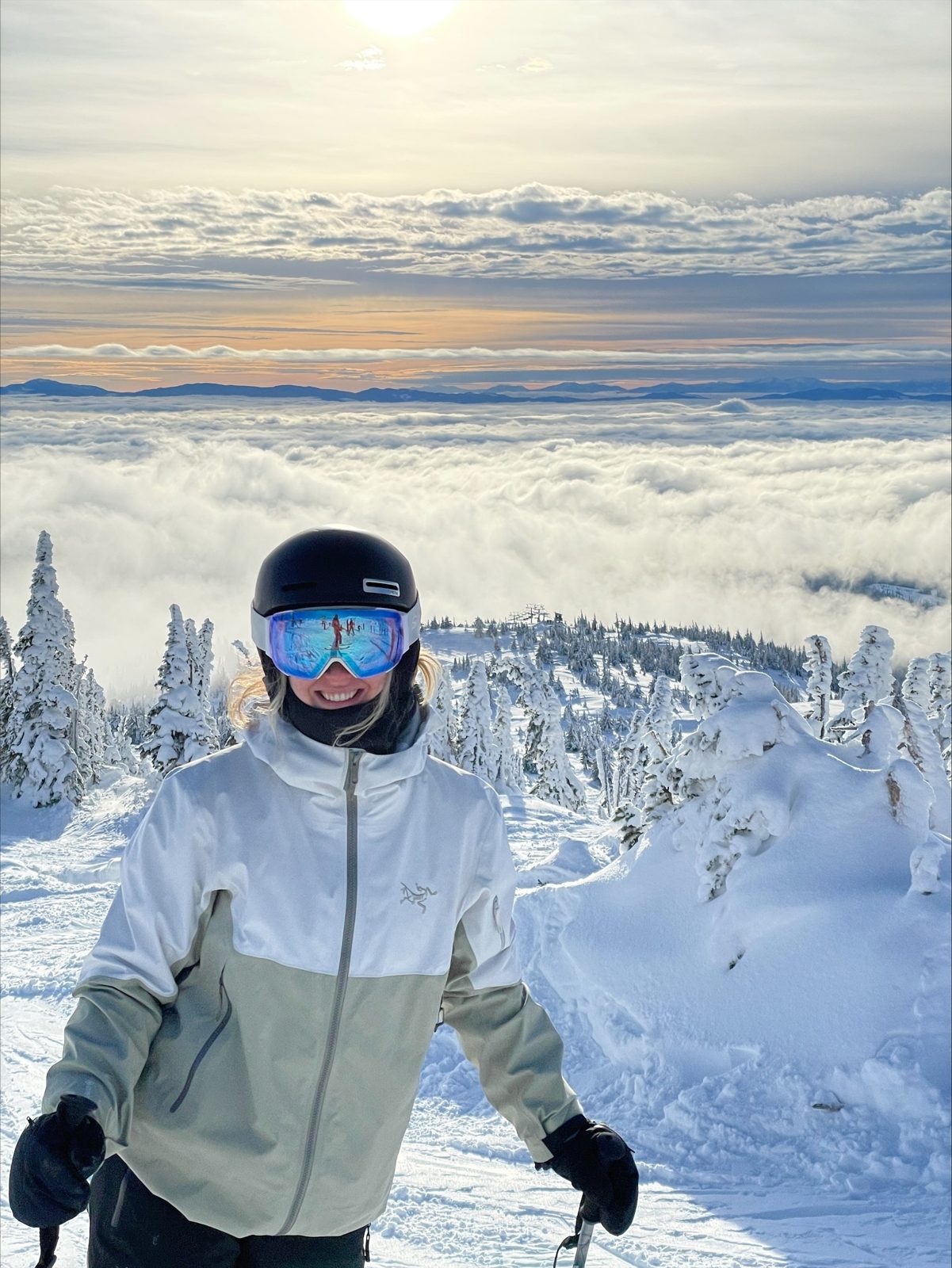
Most OTs in Vancouver have quietly wondered about moving north. Few have a way to ask someone who's actually done it. So we asked two of ours.
Emily Wright grew up in Terrace and came home to practise after her master's. Danelle Fuller grew up in Kelowna and moved to Williams Lake planning to stay a year. That was nine years ago.
What they expected
Danelle expected the worst. "I assumed the weather would be terrible and freezing cold, that the town would feel very small, and that knowing everyone would feel somewhat suffocating," she says. "I also worried I would miss the amenities, restaurants and favourite walking spots I was used to in larger centres."
Emily knew Terrace already, but time away at school changed how she saw it. "One of the things I always appreciated when coming home was being surrounded by the mountains again. It's easy to take for granted when you grow up here, but being away made me appreciate just how beautiful the area really is."
What it's actually like
"I have fallen in love with Williams Lake," Danelle says. "I originally planned to stay for one year at most, but I've now been here for nine years and have no plans to leave."
The winters she dreaded turned out to be one of the surprises. "While the winters are colder, it's a dry cold that actually feels more comfortable to me than the damp cold I experienced in Vancouver and Kelowna. Winters are also bright and sunny, with bluebird days and sparkling hoarfrost that I never experienced growing up in Kelowna."
Both talk about community first. Danelle enjoys running into friends and neighbours at the grocery store or the farmers' market. "People seem more available, more connected and more willing to stop and chat. There is a sense that people are not constantly rushing, which creates more room to breathe, both physically and mentally."
Emily sees the same thing in Terrace. "Being a smaller town, you get to know local business owners and service providers, and it's easier to build meaningful relationships with people over time." She also points to the strong presence of First Nations culture, traditions and identity across the community.
Evenings and weekends
Emily's weekday evenings are low-key: time at home, hobbies, a walk with her dog. Weekends mean a hike, projects around the house, or time with friends and family. In summer she's kayaking, camping or at one of the nearby lakes.
Danelle's evenings revolve around her kids: gymnastics, piano, ballet, soccer, skating or the park. "Because the cost of living is more affordable, I'm able to work part-time and spend more time with my family. The flexibility of my role also allows me to be home when my kids finish school." In winter she cross-country skis. In summer she plays slo-pitch with her husband on a team full of families, with the kids running around the ball field together.
The outdoors, without the crowds
"I'm only five minutes from the lake, where I can go swimming, paddleboarding or kayaking without worrying about traffic, crowds or finding parking," Danelle says. "Often it feels like I have the lake to myself."
Emily has several lakes within a 30-minute drive. "It's easy to head out for an afternoon of kayaking or swimming without having to plan a whole day around it." Hiking, camping, mountains and rivers are all close, without the crowds you'd find near a bigger city.
The money side
Both own homes with yards, and both say that wouldn't have happened in a bigger city.
"We were able to purchase a home with a backyard for our children and dog, whereas in West Kelowna we were looking at condos in a similar price range," Danelle says. She also feels less pressure to keep up with the Joneses. "There is less focus on driving the newest vehicle, wearing certain brands or keeping up with the latest trends. Life feels simpler."
Emily is candid that Terrace prices have gone up. "But homeownership is still much more attainable here than in larger cities like Vancouver. I've been able to own a home with a good-sized yard, which would likely be out of reach for me financially if I lived in the Lower Mainland." For the numbers, see Can an OT afford a house in BC? Vancouver vs the north.
The honest downsides
Neither pretends it's perfect. Danelle misses variety: "There are some wonderful local gems, but there isn't the same variety of restaurants and cafés you'd find in a larger city, and business hours can be more limited." Emily notes that some services and amenities are harder to access in a smaller town. "But there are also a lot of benefits that are easy to overlook."
What they'd tell an OT in Vancouver who's on the fence
Emily: "I'd say it's worth considering. Terrace has a lot to offer, especially if you enjoy spending time outdoors and prefer living in a smaller community. From a work perspective, being an OT in a smaller community gives you the opportunity to work with a wide variety of clients and develop experience in different areas of practice."
Danelle: "Imagine having a 15-minute commute, never paying for parking, knowing your neighbours, owning a home with a backyard, spending more time outdoors and feeling less rushed in your day-to-day life. That's what living in Williams Lake has been like for me. If you're looking for a slower pace of life, a strong sense of community and easy access to the outdoors, I'd highly recommend giving northern BC a chance."
Want to talk to them?
We're hiring OTs in Terrace, Prince George and Williams Lake. Read about working as an OT in northern BC, or apply online and we'll set up a call with one of our northern OTs.
Written by David McInerney, OT, with Emily Wright, OT (Terrace) and Danelle Fuller, OT (Williams Lake).